Safety Switch Tripping in Baulkham Hills: What It Means
The toaster clicks on, the power disappears and you find yourself standing at the switchboard wondering whether it is safe to turn everything back on. Safety switch tripping in Baulkham Hillscan be triggered by a problem with an appliance, moisture, damaged wiring or another electrical fault. The useful clue is not simply that it tripped, but what was happening immediately beforehand.
- One appliance triggers it The same equipment being used before every trip is an important clue.
- Trips after rain Moisture around outdoor electrical equipment can change the fault pattern.
- One area loses power The affected circuit helps narrow where investigation should begin.
- Trips keep returning Repeated operation means the underlying cause is still present.
- Heat or burning Electrical smells or damaged fittings need prompt professional attention.
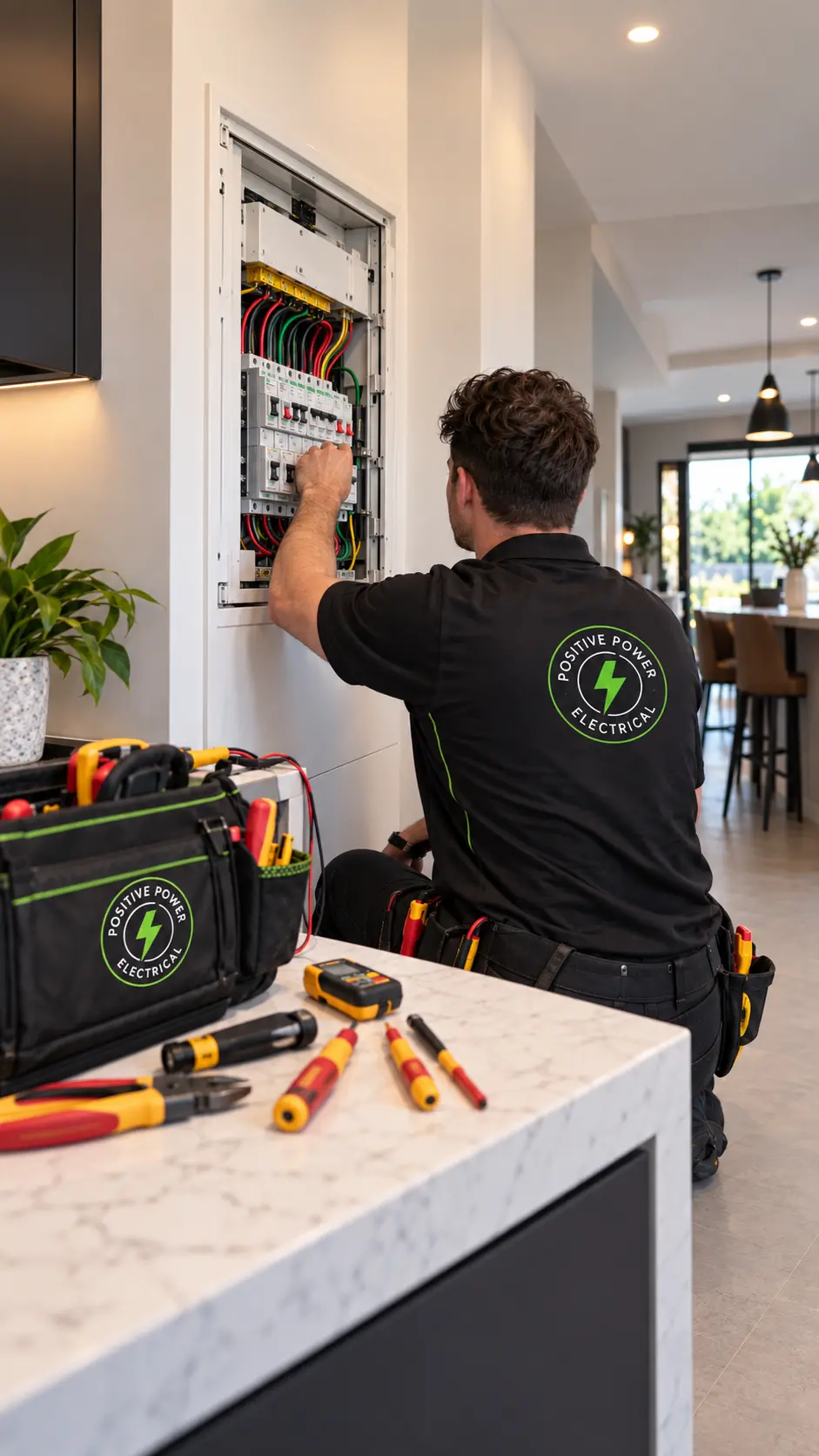
Repeated Tripping Needs Proper Fault Finding
A safety switch is designed to disconnect electricity when it detects certain electrical leakage conditions that could create an electric shock risk. Safety switch tripping in Baulkham Hills therefore should not be treated as a faulty switch simply because it interrupts the power. One isolated event can have a straightforward cause, while repeated trips point to something that needs investigation. If the switch will not reset or you notice heat, burning smells, sparks or damaged electrical equipment, arrange a licensed electrical assessment.
One trip
A single trip gives you limited information by itself. Note what appliances were operating and which part of the home lost power.
Repeat pattern
The same appliance, room or weather condition appearing before several trips is useful evidence. That pattern can help an electrician narrow down the fault.
Won't reset
A safety switch that repeatedly drops out or will not remain on needs professional assessment. Do not open the switchboard or bypass the protective device.
Warning Signs Behind Safety Switch Tripping
The safety switch is often the messenger rather than the problem. What matters is whether the trip follows one appliance, happens after wet weather, affects the same circuit or appears alongside another electrical symptom. A random trip can be difficult to interpret. A repeatable pattern gives fault finding somewhere useful to start.
Appliance Pattern
One device repeatedly preceding a trip gives a useful diagnostic clue.
Wet Weather
Trips following rain can point toward moisture-sensitive outdoor electrical equipment.
Repeat Circuit
The same affected circuit narrows where investigation should focus.
Physical Damage
Heat, scorching or electrical smells require professional attention.
Map the Problem by Area
Baulkham Hills homes averaged 3.5 bedrooms per occupied dwelling in the 2021 Census, with nearly half containing four or more bedrooms. In a larger home, saying "the power went out" is less useful than identifying exactly which bedrooms, lights, outlets or outdoor areas stopped working. That information can help distinguish a localised circuit issue from something affecting a wider part of the electrical system.
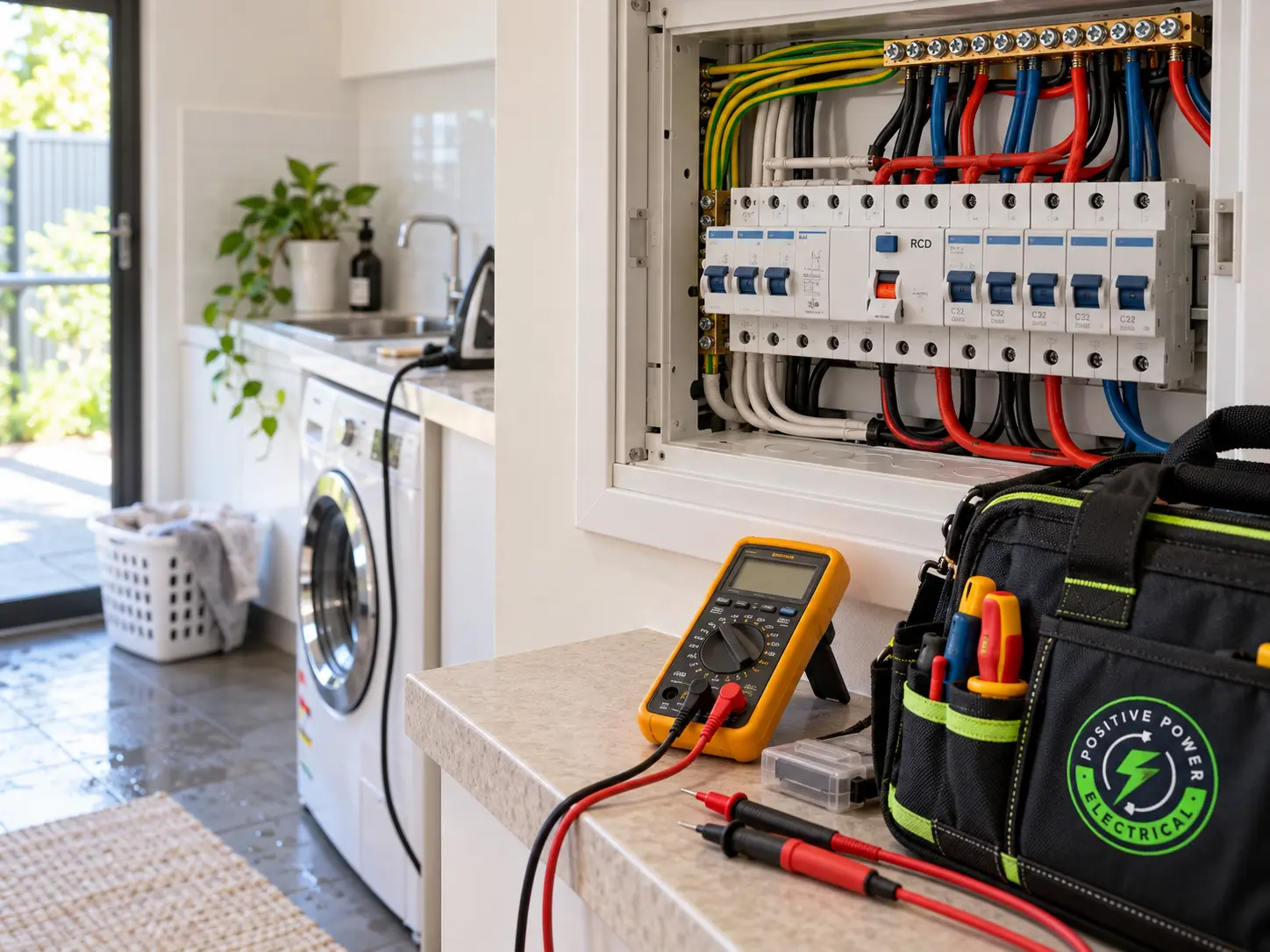
What Causes a Safety Switch to Trip?
A safety switch monitors electrical current and disconnects the circuit when it detects leakage that could create an electric shock risk. That means the cause can be anywhere from an appliance to damaged fixed wiring. Replacing the safety switch without testing the circuit can miss the real fault entirely.
1
Appliance
Insulation faults can leak current to earth and trigger protection.
2
Moisture
Water ingress can create leakage around outdoor electrical equipment.
3
Equipment
Faulty fixed equipment can repeatedly trigger the protected circuit.
4
Wiring
Damaged insulation can allow electrical current to leak unexpectedly.
5
Damage
Electrical deterioration can create faults requiring licensed investigation.
How Safety Switch Tripping in Baulkham Hills Gets Diagnosed
A licensed electrician starts with the pattern rather than assuming the safety switch itself has failed. Which circuit trips, what was operating and whether moisture or other symptoms are involved can help narrow the investigation. The repair should follow the diagnosis, not the other way around.
Step 01
Rebuild the Sequence
Think about what happened just before the power went off. The same appliance, area or condition appearing repeatedly can turn an intermittent problem into a much clearer fault-finding trail.
What we look for
Clues Around the Trip
- Circuit affected each time
- Equipment operating beforehand
- Moisture or physical damage
Step 02
Narrow the Fault
Electrical fault finding helps separate a problem with equipment from an issue involving fixed wiring or the switchboard. Only then can the appropriate repair be selected.
Step 03
Repair and Retest
Once the identified electrical issue is addressed, the affected installation can be tested again. The objective is not simply keeping the switch on, but resolving why it operated.
- Fault traced
- Repair completed
- Protection checked
Method matched to cause
Fix the Cause, Not the Symptom
Positive Power Electrical can match the next step to what the electrical assessment identifies.
- Fault finding
- Safety checks
- Rewiring
- Switchboard upgrades
What Changes the Repair Scope and Cost?
Two safety switches can show the same symptom while the faults behind them are completely different. A problem associated with one portable appliance may be easier to isolate than intermittent leakage in concealed wiring or an outdoor circuit affected by moisture. Access, the number of circuits involved, wiring condition and the eventual repair all change the scope. An accurate quote therefore follows diagnosis rather than the number of times the switch has tripped.
What You Can Safely Check Before Calling
Electrical fault finding should not become a DIY experiment. You can note which areas lost power, what was operating before the trip and whether the problem followed rain or another obvious event. Do not remove outlets, dismantle appliances, open the switchboard or interfere with fixed wiring. Current NSW guidance says electrical wiring work must be completed by a licensed electrician.
Safe to try yourself
- Note which areas lost power
- Record what was running beforehand
- Note whether rain came first
- Keep clear of damaged equipment
Time to call a professional
- Same circuit trips repeatedly
- Safety switch will not reset
- Electrical fittings feel unusually warm
- Burning or scorching is present
The Trip Is a Warning, Not the Diagnosis
A safety switch turning the power off can be frustrating, but defeating or ignoring that protection is not the answer. NSW Government guidance explains that safety switches are designed to disconnect electricity when electrical leakage is detected, helping protect people from serious electric shock. It also advises testing safety switches regularly and having a licensed electrician investigate a failed test. Current NSW consumer guidance recommends using the TEST button every three months. The useful next step after repeated trips is to identify what is causing the protection to operate, whether that turns out to be equipment, moisture, wiring or another electrical fault.
Remember this
The safety switch turning off is not the fault being fixed. It is the electrical system telling you there is a fault worth finding.
Safety Switch Tripping FAQs
Why does it keep tripping?
A safety switch can repeatedly trip when it detects electrical leakage on a protected circuit. The cause may relate to equipment, moisture, wiring or another fault, so repeated trips need diagnosis rather than guesswork.
Is it the same as a breaker?
No. NSW Government guidance explains that a safety switch is designed primarily to protect people from severe electric shock, while a circuit breaker protects the home's wiring and circuitry.
Can rain cause tripping?
Moisture affecting outdoor electrical equipment or wiring can contribute to leakage faults. If trips repeatedly follow rain or wet conditions, tell the electrician because that timing can be a valuable diagnostic clue.
Should I keep resetting it?
Repeated resetting does not resolve the cause. If the same safety switch keeps operating, will not remain on or the problem comes with burning smells, heat or damage, arrange professional assessment.
What affects repair cost?
The fault location, affected circuit, accessibility, condition of the wiring and repair ultimately required all influence the scope. A fault that can be isolated quickly is different from an intermittent problem hidden within fixed wiring.
How often should I test it?
Current NSW electrical safety guidance recommends pressing the safety switch TEST button every three months. If it fails the test, have a licensed electrician check it.
Safety Switch Tripping in Baulkham Hills Again?
Positive Power Electrical provides electrical fault finding, safety checks, rewiring and switchboard upgrades for Baulkham Hills homes and businesses. If safety switch tripping in Baulkham Hills has become a repeating problem, have a licensed and insured Electrician trace the cause before another reset becomes the normal routine.