Safety Switch Keeps Tripping in Castle Hill: Why?
You switch the kettle on, the power disappears and a few minutes later you are back at the switchboard wondering what caused it this time. When a safety switch keeps tripping in Castle Hill, the switch itself is not automatically the problem. It may be responding to faulty equipment, moisture, damaged wiring or another electrical fault on the protected circuit.
- One appliance triggers itA repeating connection to one device is a useful clue.
- Recurring operation means the underlying condition remains unresolved.
- Outdoor electrical equipment can behave differently when moisture is involved.
- Switch will not resetProtection that immediately operates again needs professional assessment.
- Heat or burningElectrical smells, warmth or scorching need prompt attention.
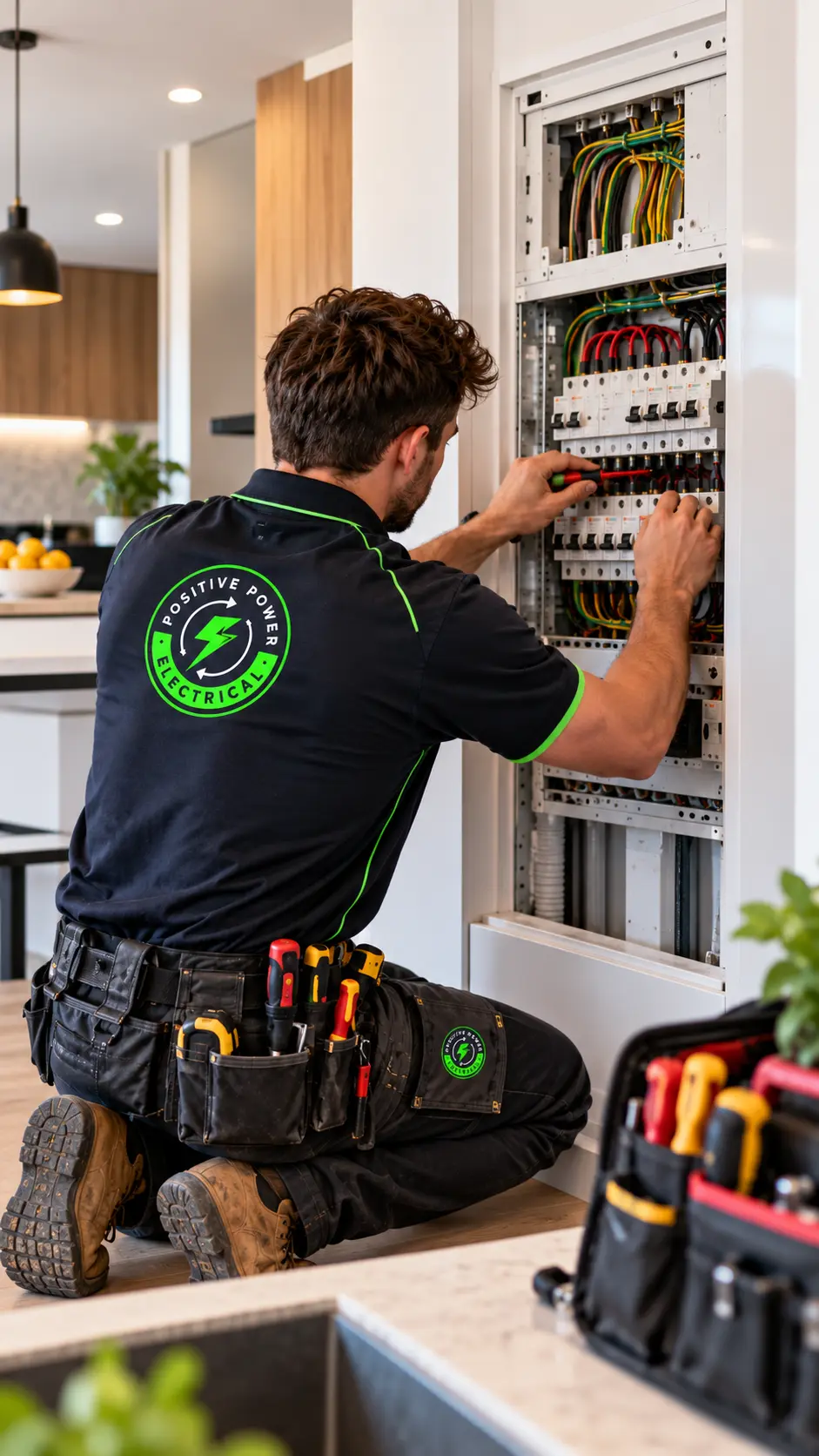
Treat Repeated Trips as a Warning
If asafety switch keeps tripping in Castle Hill, it usually means the protective device is detecting a condition that needs attention rather than simply becoming an inconvenience. A single isolated trip may have a straightforward cause, but repeated trips linked to the same appliance, circuit or weather condition deserve proper fault finding. A safety switch, also called an RCD, is designed to disconnect electricity when leakage is detected and help protect people from electric shock. NSW guidance says suspected electrical installation problems should be referred to a licensed electrician.
One trip
A single trip provides limited information by itself. Note what equipment was operating and which part of the property lost power.
Repeat pattern
If the same room, appliance or circuit is involved several times, the pattern becomes more useful. Repeated resetting does not remove the cause.
Heat or smell
Warm fittings, sparks, scorching or a burning smell move the issue beyond a nuisance trip. Keep clear of affected equipment and arrange licensed electrical help.
Signs Your Safety Switch Needs Attention
Electrical protection can operate for different reasons, which is why the pattern matters more than one isolated event. A trip that always follows one appliance being used is different from a switch that drops out after rain or refuses to stay on at all. The more repeatable the problem becomes, the easier it is to narrow where investigation should begin.
Appliance Pattern
One device repeatedly preceding the trip can help narrow the investigation.
Same Circuit
Repeated loss on one circuit suggests the problem has not been resolved.
Wet Conditions
Trips after rain can point toward moisture-sensitive outdoor electrical equipment.
Failed Reset
Protection that will not stay on needs professional electrical assessment.
Larger Homes Create More Clues
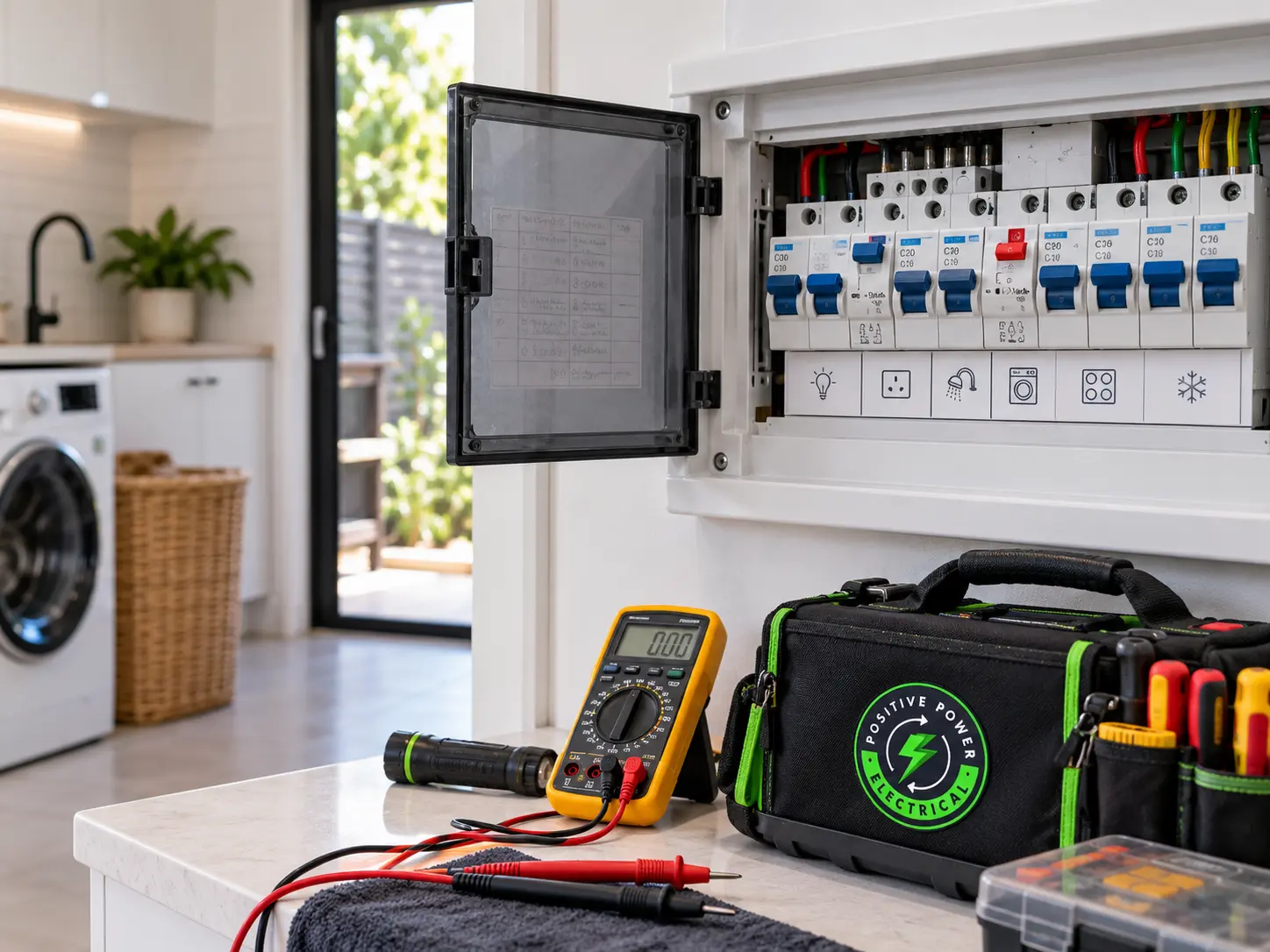
What Causes a Safety Switch to Trip?
A safety switch operates because it has detected electrical leakage or another condition within the protected circuit. The visible result is the same, the power switches off, but the underlying cause can be very different. Diagnosing that cause before replacing components avoids spending money on the wrong part of the system.
1
Appliance
Faulty equipment can leak current and trigger protection.
2
Moisture
Water ingress can affect exterior electrical equipment.
3
Connection
Deteriorated connections can create intermittent electrical faults.
4
Wiring
Damaged insulation can allow current to leak unexpectedly.
5
Damage
Heat or deterioration can create serious electrical hazards.
Safety Switch Keeps Tripping in Castle Hill: Diagnosis
When a safety switch keeps tripping in Castle Hill, a licensed electrician should start with the pattern instead of assuming the protective device itself has failed. Testing can help distinguish faulty equipment from problems involving wiring, connections or another part of the circuit. The repair should then follow what the diagnosis identifies.
Step 01
Rebuild the Pattern
Start with what happened immediately before the trip. Which appliance was running, which areas lost power and whether rain or another event occurred can all provide useful clues.
What we look for
Key Fault Clues
- Circuit affected each time
- Equipment operating beforehand
- Moisture or visible damage
Step 02
Narrow the Cause
Electrical fault finding can separate appliance-related problems from issues involving fixed wiring or circuit protection. Replacing components before that step can leave the real cause untouched.
Step 03
Repair and Retest
Once the cause is identified, the appropriate electrical work can be completed and the affected installation checked. NSW requires electrical wiring work to be carried out by a licensed electrician, with applicable work tested and documented through the CCEW process.
- Fault traced
- Repair completed
- Protection checked
Method matched to cause
Fix the Cause, Not the Trip
Positive Power Electrical can match the next step to what the electrical assessment actually identifies.
Fault finding
Safety checks- Rewiring
- Switchboard upgrades
What Changes the Repair Scope?
Two properties can have the same tripping symptom while the faults behind them are completely different. One problem may be associated with a specific appliance, while another can involve concealed wiring, moisture or a switchboard-related issue. Access, fault location, the number of affected circuits and what repair is eventually required all influence the scope.
What You Can Safely Check First
You can collect useful information without opening the switchboard or dismantling electrical equipment. Note which areas lose power, which appliances were operating and whether the problem appears after wet weather. NSW's current electrical safety guidance states that electrical wiring work must be done by a licensed electrician and recommends treating tingles, shocks and electrical faults as warnings rather than attempting DIY repairs.
Safe to try yourself
- Note which rooms lose power
- Record equipment running beforehand
- Check whether rain preceded trips
Time to call a professional
- Same circuit repeatedly trips
- Electrical fittings feel unusually warm
The Trip Is Protection, Not the Repair
A safety switch cutting the power can be frustrating, but the device is doing an important job by responding to an electrical condition it detects. One isolated trip may be relatively simple, while repeated trips tied to the same circuit, moisture or physical warning signs need further investigation. Current NSW guidance says safety switches help protect against electric shock and should not replace proper maintenance of electrical wiring and equipment.Positive Power Electrical can trace recurring electrical faults, assess safety protection and determine whether the next step is repair, rewiring or switchboard work.
Remember this
Getting the switch to stay on is not the same as fixing the fault. The better outcome is knowing why it tripped and addressing the actual cause.
Safety Switch Tripping FAQs
Why does it keep tripping?
A safety switch can operate when electrical leakage is detected on a protected circuit. Faulty equipment, moisture, damaged wiring or another electrical issue can all contribute, so repeated trips need diagnosis rather than guesswork.
Is it a circuit breaker?
Not exactly. Safety switches are designed to help protect people from electric shock, while circuit breakers primarily protect wiring and circuitry from electrical faults such as overloads.
Can rain cause tripping?
Moisture affecting outdoor fittings, wiring or electrical equipment can contribute to leakage faults. If the same circuit repeatedly trips after rain, tell the electrician because that pattern can help with diagnosis.
Should I keep resetting it?
Repeated resetting does not remove the electrical fault. If the same switch keeps tripping, refuses to stay on or the problem comes with heat or burning smells, arrange professional assessment.
What affects repair cost?
Fault location, accessibility, circuit length, connected equipment, wiring condition and the repair eventually required all affect the scope. An accessible appliance-related fault can be very different from an intermittent problem within concealed wiring.
How often should I test?
Current NSW Fair Trading guidance recommends using the safety switch TEST button every three months. If the switch does not operate correctly, have it checked by a licensed electrician.
Safety Switch Keeps Tripping in Castle Hill?
Positive Power Electrical provides fault finding when a safety switch keeps tripping in Castle Hill, along with electrical safety checks, rewiring and switchboard upgrades. If the same circuit keeps losing power or the switch will not remain on, arrange an assessment with a licensed and insured Electrician so the real cause can be identified before unnecessary parts are replaced.