LED Downlight Installation in Castle Hill: Plan It Right
You walk into a room at night and realise one corner is bright while the area you actually use still feels dull. LED downlight installation in Castle Hillworks best when the lighting layout, ceiling space, existing wiring and purpose of each room are considered before holes are cut or fittings replaced. The goal is not simply more downlights, but better light where you actually need it.
- Dark corners Poor spacing can leave usable parts of a room underlit.
- Uneven lighting Too few or poorly positioned fittings can create noticeable bright spots.
- Old fittings Existing lighting may be inefficient or no longer suit the room
- Renovated spaces New layouts often need the lighting plan reconsidered.
- Flickering lights Repeated flickering deserves fault finding before simple replacement.
Plan the Lighting Before Choosing the Quantity
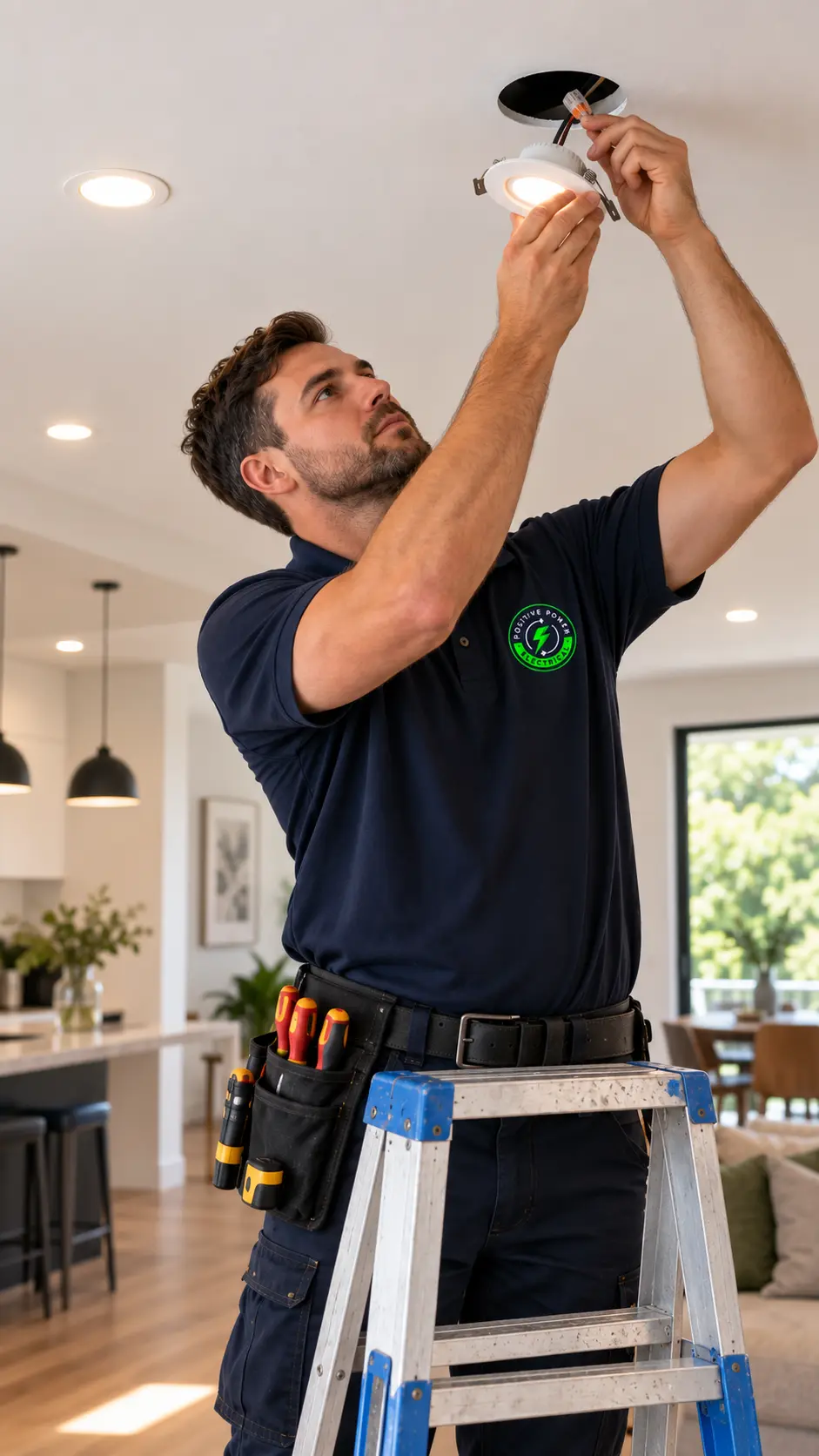
Good LED downlight installation in Castle Hill begins with how the room is actually used. A kitchen, hallway, bedroom and open-plan living area can need very different lighting layouts even when they use similar fittings. Existing wiring, ceiling access and the position of fans, cabinetry or other fixtures can also affect the installation. A licensed electrician can assess the electrical side before the final layout is confirmed.
Dark areas
One part of the room feels noticeably dimmer than another. Better positioning may be more useful than simply adding fittings everywhere.
Harsh lighting
Too many fittings or poor placement can make a room uncomfortable rather than brighter in a useful way. Layout and beam coverage both matter.
Fault signs
Flickering, damaged fittings, unusual heat or electrical smells should not be treated as a cosmetic lighting problem. Have the electrical issue assessed first.
Signs Your Downlight Layout Needs Rethinking
Lighting problems are not always caused by a lack of fittings. Sometimes the room has enough lights, but they are positioned around an old furniture arrangement or concentrated in the wrong areas. Existing downlights may also differ in colour temperature or output, creating an inconsistent result. Look at how the entire room feels after dark rather than judging each fitting individually.
Uneven Coverage
Bright centres and dark edges often point to poor light distribution.
Wrong Position
Downlights can miss benches, desks or other important working areas.
Mixed Lighting
Different fitting types can make one room look visually inconsistent.
Repeat Flicker
Recurring flickering deserves electrical assessment before replacing fittings.
Larger Rooms Need a Plan
The average occupied dwelling in Castle Hill had 3.6 bedrooms in the 2021 Census, with larger homes making up a substantial part of the suburb's housing stock. A larger home can contain open living zones, hallways, bedrooms and workspaces with completely different lighting needs. Copying one downlight spacing pattern across every room can therefore produce a poor result.
What Changes a Downlight Installation?
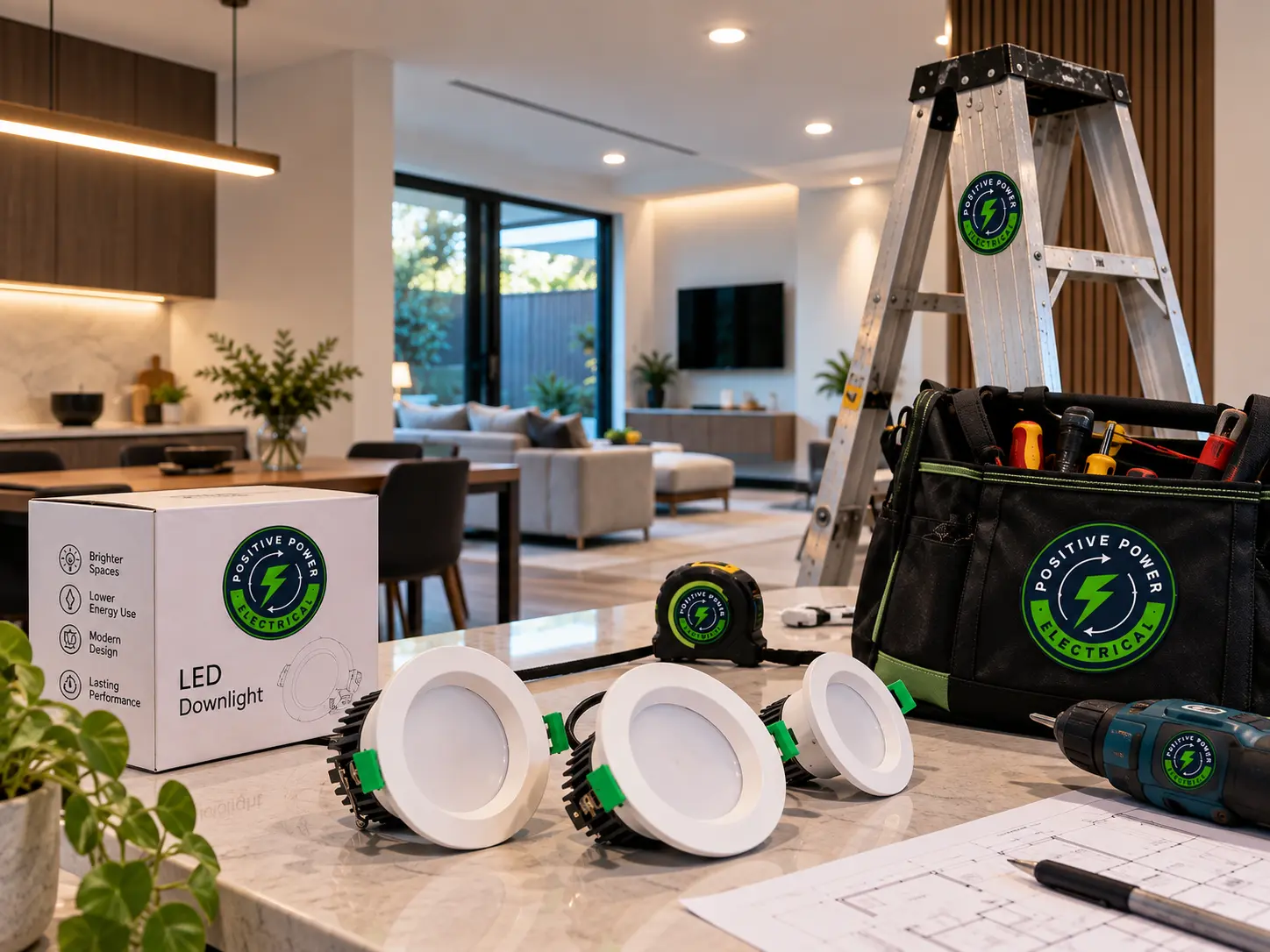
The fitting is only one part of the lighting result. Ceiling access, room size, existing wiring, fitting position and what the room is used for all change the installation approach. Planning those factors before installation helps avoid a ceiling full of lights that still does not feel properly lit.
1
Layout
Room shape changes where useful light needs to fall.
2
Spacing
Poor distances can create dark gaps or excessive brightness.
3
Access
Ceiling access affects how wiring and fittings can be installed.
4
Wiring
Existing electrical condition can change the required installation work.
5
Faults
Damaged circuits may need repair before lighting upgrades proceed.
How LED Downlight Installation in Castle Hill Is Planned
A licensed electrician first needs to understand the room, the existing lighting and what the homeowner wants to improve. The lighting positions and electrical requirements can then be considered together rather than independently. The final installation should improve usable light while remaining suitable for the existing electrical system.
Step 01
Read the Room
Start with how the space is actually used after dark. Seating, work surfaces, walkways and existing fittings all help shape the lighting plan.
What we look for
Key Lighting Details
- Existing fitting positions
- Ceiling and wiring access
- Areas needing useful light
Step 02
Plan the Layout
Downlight positions can be matched to the room rather than arranged only for visual symmetry. Existing electrical concerns should also be identified before new fittings are added.
Step 03
Install and Check
Once the electrical work is complete, the lighting can be checked across the room. The goal is consistent, practical illumination without leaving obvious dark zones.
- Layout completed
- Lighting checked
- Work tested
Method matched to cause
Lighting Work Follows the Assessment
Positive Power Electrical can match the electrical work to the lighting problem and existing installation.
- Lighting installation
- Safety checks
- Fault finding
- Electrical upgrades
What Changes the Lighting Scope and Cost?
Downlight projects vary because room layouts, ceilings and existing electrical systems are different. Replacing lights in existing positions is not the same as designing new positions across an open-plan area. Access above the ceiling, existing wiring, fitting quantity and whether faults need repairing can all change the scope. NSW Climate and Energy Action says lighting accounts for about 4% of home energy use and recommends LED lighting as an energy-efficient option.
What You Can Plan Before Calling
You can work out what feels wrong with the current lighting without touching electrical wiring. Walk through the room at night, note dark areas and think about where you read, cook, work or relax. Once fixed fittings, switches or wiring need installation or alteration, the job moves into licensed electrical work. NSW Government guidance specifically says homeowners should not install, replace or move lights and switches unless they are qualified to perform the electrical work.
Safe to try yourself
- Mark areas that feel too dark
- Note where tasks need light
- Choose preferred lighting appearance
- Photograph the existing room layout
Time to call a professional
- Fixed downlights need installation
- Existing wiring needs modification
- Lights repeatedly flicker or fail
- Fittings show heat or damage
Better Lighting Comes From Better Placement
LED downlights can improve both the appearance and usability of a room, but adding more fittings is not automatically the answer. NSW Climate and Energy Action says LED lights can use substantially less energy than older lighting technologies and can last much longer, making them a practical option when lighting is already being upgraded. The installation still needs to consider room layout, electrical condition and where useful light is actually required. If existing lights flicker, overheat or behave unusually, fault finding should come before cosmetic changes. Positive Power Electrical provides lighting installation, fault finding and electrical upgrades across Castle Hill and surrounding suburbs.
Remember this
More downlights do not automatically create better lighting. The right fittings in the right positions are what make the room work.
LED Downlight Installation FAQs
How many downlights do I need?
There is no useful fixed number for every room. Room size, ceiling height, layout, fitting output and how the space is used all affect the appropriate lighting plan.
Where should downlights be positioned?
Positions should reflect where useful light is required, not simply create evenly spaced holes in the ceiling. Kitchens, living rooms, bedrooms and hallways can all need different approaches.
Are LED downlights energy efficient?
Yes. NSW Climate and Energy Action recommends switching to LEDs and says LED lighting can use significantly less energy and last much longer than older lighting options.
Why do downlights flicker?
Flickering can relate to the fitting, control equipment or another part of the electrical system. If it keeps happening, have the problem assessed rather than assuming every fitting simply needs replacing.
What affects installation cost?
Fitting quantity, new positions, ceiling access, wiring condition and the number of rooms involved all influence the job. Existing electrical faults can also add repair work before the lighting upgrade proceeds.
Can I install downlights myself?
Fixed electrical wiring and lighting installation in NSW must be carried out by appropriately licensed electrical workers. NSW Government guidance specifically warns against DIY installation, replacement or relocation of fixed lights and switches.
Planning LED Downlight Installation in Castle Hill?
Positive Power Electrical provides LED downlight installation in Castle Hill, along with lighting upgrades, fault finding and other residential electrical services. If your current lighting feels uneven, outdated or no longer suits the room, arrange an assessment with a licensed and insured Electrician before deciding on the final layout.