EV Charger Installation in Cherrybrook
You bring the new EV home, park it in the usual spot and quickly realise the charging setup deserves more thought than simply choosing a wall charger. EV charger installation in Cherrybrook should start with the property's electrical capacity, switchboard, parking position and cable route before the charger is connected. Getting those details right early can prevent unnecessary electrical work later.
- Charger location Where the vehicle parks affects cabling, access and everyday convenience.
- Switchboard capacity The existing electrical system needs assessment before adding another significant load.
- Cable route Distance and accessibility can change the installation scope considerably.
- Charging needs Vehicle use and charging habits influence the most practical setup.
- Future plans Another EV or electrical upgrade can affect decisions made now.
Cherrybrook's housing and vehicle profile makes those questions particularly relevant. ABS data shows 81.5% of occupied private dwellings were separate houses, while 46.2% reported two registered vehicles and another 19.7% reported three or more in the 2021 Census.
Assess the Electrical System First
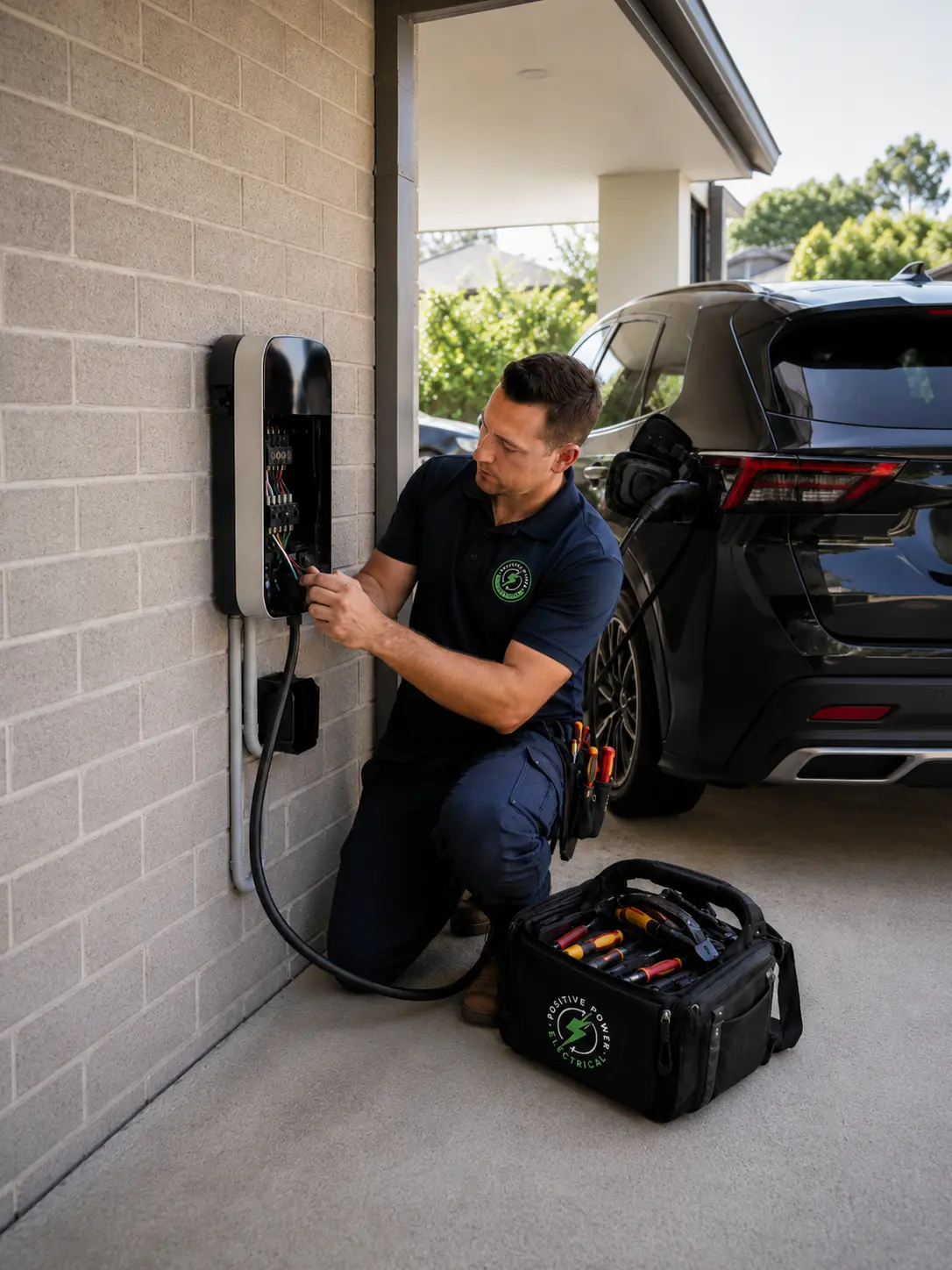
A good EV charger installation in Cherrybrook starts before the charger goes on the wall. A licensed electrician should consider the switchboard, existing electrical demand, charger position and required cabling so the installation suits the property rather than just the vehicle. Some homes may already have suitable capacity, while others can need additional circuit or switchboard work. The right setup depends on what the electrical assessment actually finds.
Short route
A charger positioned near the switchboard can sometimes make the cable route more straightforward. Access and the actual construction of the property still need to be considered.
Added demand
An EV charger introduces another substantial electrical load to the home. Existing circuits and switchboard capacity should be considered before installation.
Board limits
A switchboard that lacks suitable capacity or protection can change the project significantly. That needs to be identified before the charger installation proceeds.
Check These Before Installing an EV Charger
The charger itself is only one part of the job. The electrical supply, switchboard, parking location and cable route determine how straightforward the installation will be. Two neighbouring homes can use the same EV charger and still require different electrical work. Looking at the complete setup first helps avoid making decisions based only on the charger model.
Limited Capacity
Existing electrical demand can affect whether additional upgrade work is required.
Older Board
Existing protection and available circuit space need professional assessment.
Multiple EVs
Future charging needs can influence today's electrical planning.
Long Cable Route
Distance between switchboard and charger can increase installation complexity.
Think Beyond One Vehicle
Cherrybrook households reported an average of two registered motor vehicles per dwelling in the 2021 Census. Around 65.9% of occupied private dwellings reported two or more vehicles. That does not mean every household will own multiple EVs, but it makes future vehicle charging a sensible consideration when planning electrical infrastructure. A setup designed only around today's car may not suit how the household uses the property later.
What Changes an EV Charger Installation?
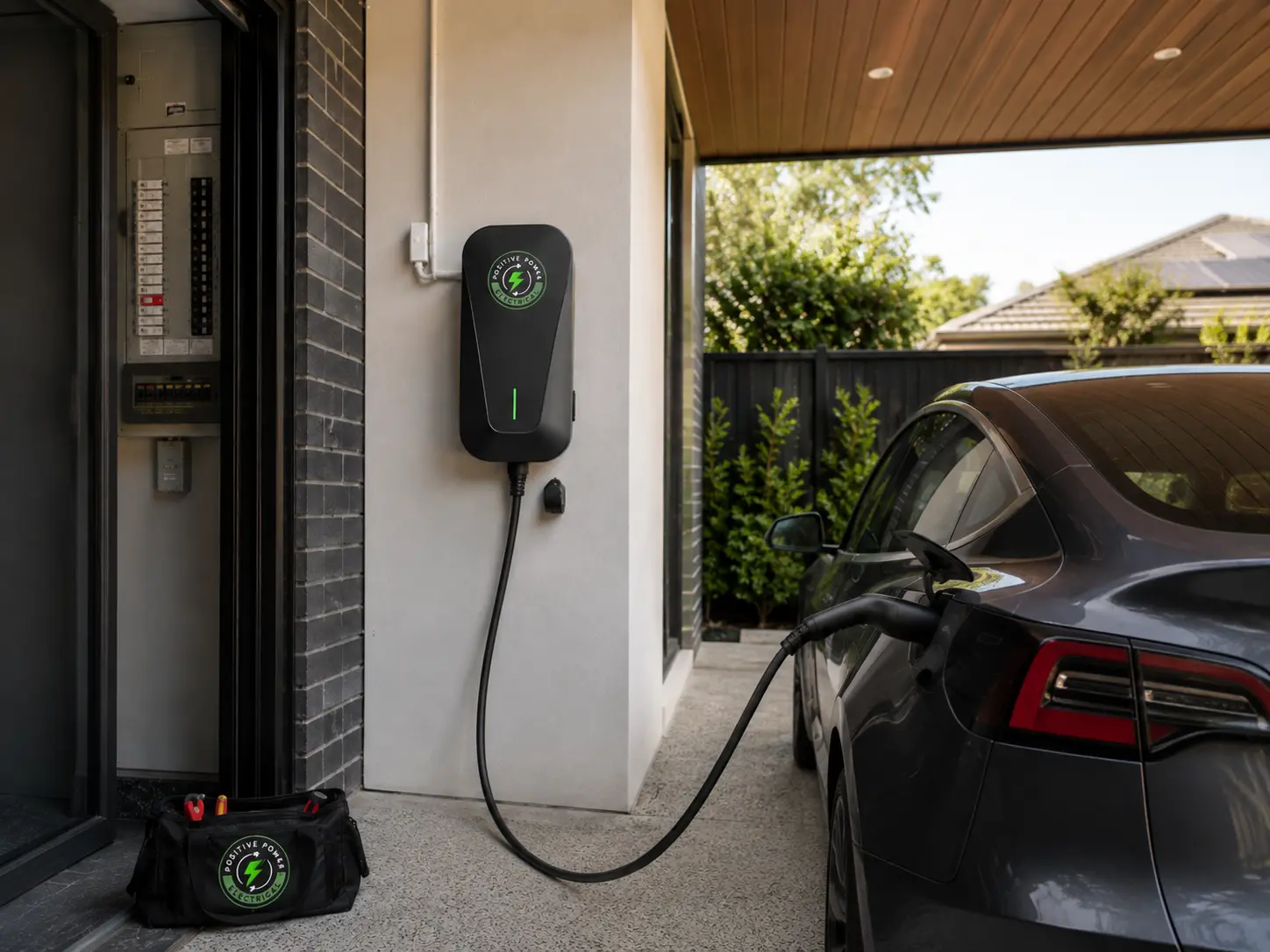
The installation method depends on the property rather than one standard recipe. Electrical capacity, cable distance, switchboard condition and charger position all affect the work required. Assessing those factors before installation helps match the electrical work to the actual charging setup.
1
Position
Charger location determines cable routing and everyday vehicle access.
2
Distance
Longer cable runs can increase installation work and material requirements.
3
Capacity
Existing household demand affects available electrical capacity for charging.
4
Switchboard
Protection and circuit space can influence required electrical upgrades.
5
Supply
Higher demand can sometimes require broader electricity supply assessment.
How EV Charger Installation in Cherrybrook Is Planned
A licensed electrician should understand the property before deciding how the charger will be supplied. The assessment looks at the existing electrical system, proposed charger location and the route required to connect them. The installation method then follows what is actually needed.
Step 01
Assess the Property
Start with where the car normally parks and where the electrical equipment sits. The electrician can then consider the charging location alongside the existing electrical system.
What we look for
Key Installation Details
- Existing switchboard capacity
- Charger and parking location
- Practical cable route
Step 02
Plan the Circuit
he charger needs an electrical solution matched to the property and equipment. Any switchboard or circuit work should be identified before installation begins.
Step 03
Complete and Check
Once the appropriate electrical work and charger connection are completed, the installation can be tested and checked. The finished setup should suit the agreed charging requirements.
- Circuit installed
- Charger connected
- System checked
Method matched to cause
Electrical Work Matches the Property
Positive Power Electrical can match the installation to the existing system and charging requirements.
- EV charger installation
- Switchboard upgrade
- Circuit installation
- Safety checks
What Changes the Installation Cost?
There is no useful one-price answer for every home because the visible charger is only part of the installation. Cable length, switchboard condition, electrical capacity, access and the number of chargers being planned can all change the scope. NSW Government guidance also notes that increasing the amount of electricity a property can use, including for an EV charger, can sometimes involve electricity supply upgrade considerations. An accurate quote should follow an assessment of the actual property.
What You Can Plan Before the Electrician Arrives
There is plenty you can decide yourself before installation, but fixed electrical work should stay with a licensed electrician. You can think about where the car normally parks, how the charging cable will reach it and whether another EV may be added later. Do not open the switchboard, install fixed wiring or attempt to connect a wall charger yourself. NSW Government guidance recommends obtaining quotes from licensed electricians with EV charger experience and states that a Level 2 wall charger should be installed by an electrician.
Safe to try yourself
- Choose your usual parking position
- Check the charger's cable reach
- Note your normal charging routine
- Consider future vehicle charging needs
Time to call a professional
- New circuit needs installation
-
Switchboard capacity needs checking
- Fixed charger requires connection
- Supply upgrade may be required
Plan the Electrical Work Before the Charger
Buying the charger is the easy part. The quality of the installation depends on how well the charger fits the property's electrical system, parking arrangement and future needs. NSW Government guidance says Level 2 wall chargers should be installed by an electrician and recommends using charging equipment carrying the Regulatory Compliance Mark. A switchboard assessment can also identify whether additional electrical work is required before charging begins. Positive Power Electrical provides EV charger installations, switchboard upgrades and electrical assessments for Cherrybrook homes and surrounding suburbs.
Remember this
A charger that fits your car is useful. A charging setup that fits your car, your home and your electrical system is better.
EV Charger Installation FAQs
Do I need a home charger?
Not every EV owner needs the same charging setup. Your driving habits, available charging time, vehicle requirements and property layout all influence whether a dedicated wall charger is worthwhile.
What is a Level 2 charger?
A Level 2 charger is a dedicated wall charging unit used at homes, workplaces and other locations where vehicles stay parked for longer periods. NSW Government guidance states that an electrician should install a Level 2 wallbox.
Does my switchboard need upgrading?
Not automatically. An electrician needs to assess the existing switchboard, electrical load, available circuit capacity and the requirements of the proposed charger before deciding whether an upgrade is necessary.
What affects installation cost?
Cable distance, charger position, switchboard condition, electrical capacity, access and additional circuit work can all change the scope. The charger itself is only one part of the overall job.
Where should the charger go?
A practical location generally considers where the vehicle normally parks, charger cable reach, protection from physical damage and the route back to the electrical system. The final position should be agreed as part of the electrical assessment.
Can I plan for two EVs?
Yes, future charging requirements can be considered during the initial planning stage. If your household may eventually charge more than one EV, mention that before the electrical work is designed so capacity and infrastructure can be assessed accordingly.
Planning EV Charger Installation in Cherrybrook?
Positive Power Electrical provides EV charger installation in Cherrybrook, along with switchboard assessments, dedicated electrical circuits and related electrical upgrades. If you are preparing for a new EV, arrange an assessment of the charger location and existing electrical system before deciding on the final setup.