Electrical Safety Checks in Castle Hill: What Matters
Everything appears to work normally, but one outlet feels loose, a circuit occasionally trips and nobody remembers when the electrical system was last properly assessed. Electrical safety checks in Castle Hill can help identify problems with wiring, outlets, circuit protection and switchboards before warning signs are dismissed as normal household quirks.
- Repeat tripping Recurring circuit operation can indicate an unresolved electrical problem.
Warm outlets Unusual heat around switches or power points deserves assessment.
Damaged fittings Cracks, looseness or scorching should not be ignored.
Older wiring Wiring condition matters more than appearance alone.
Changing demand New appliances and equipment can alter how the electrical system is used.
Check the System Before Problems Escalate
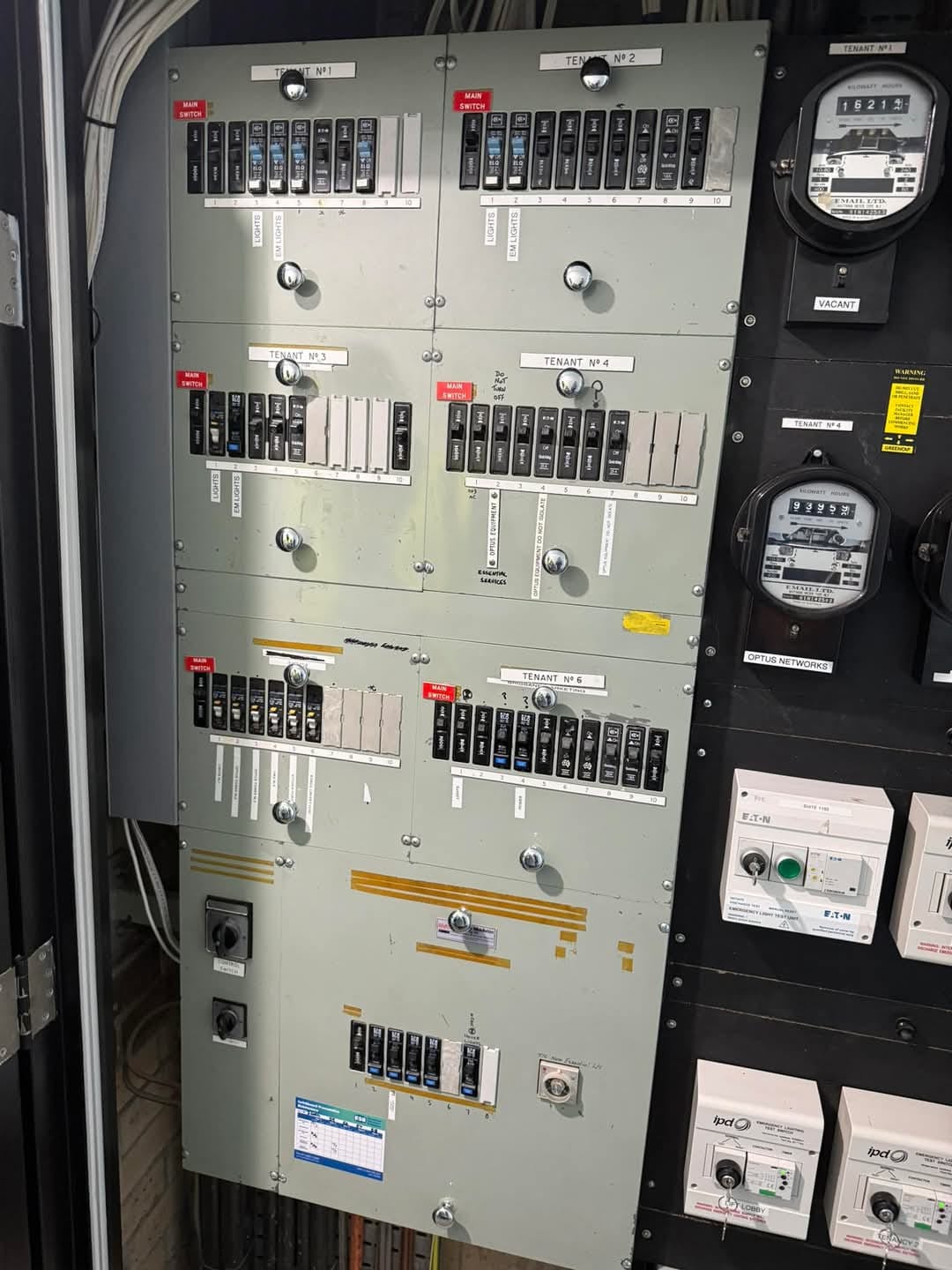
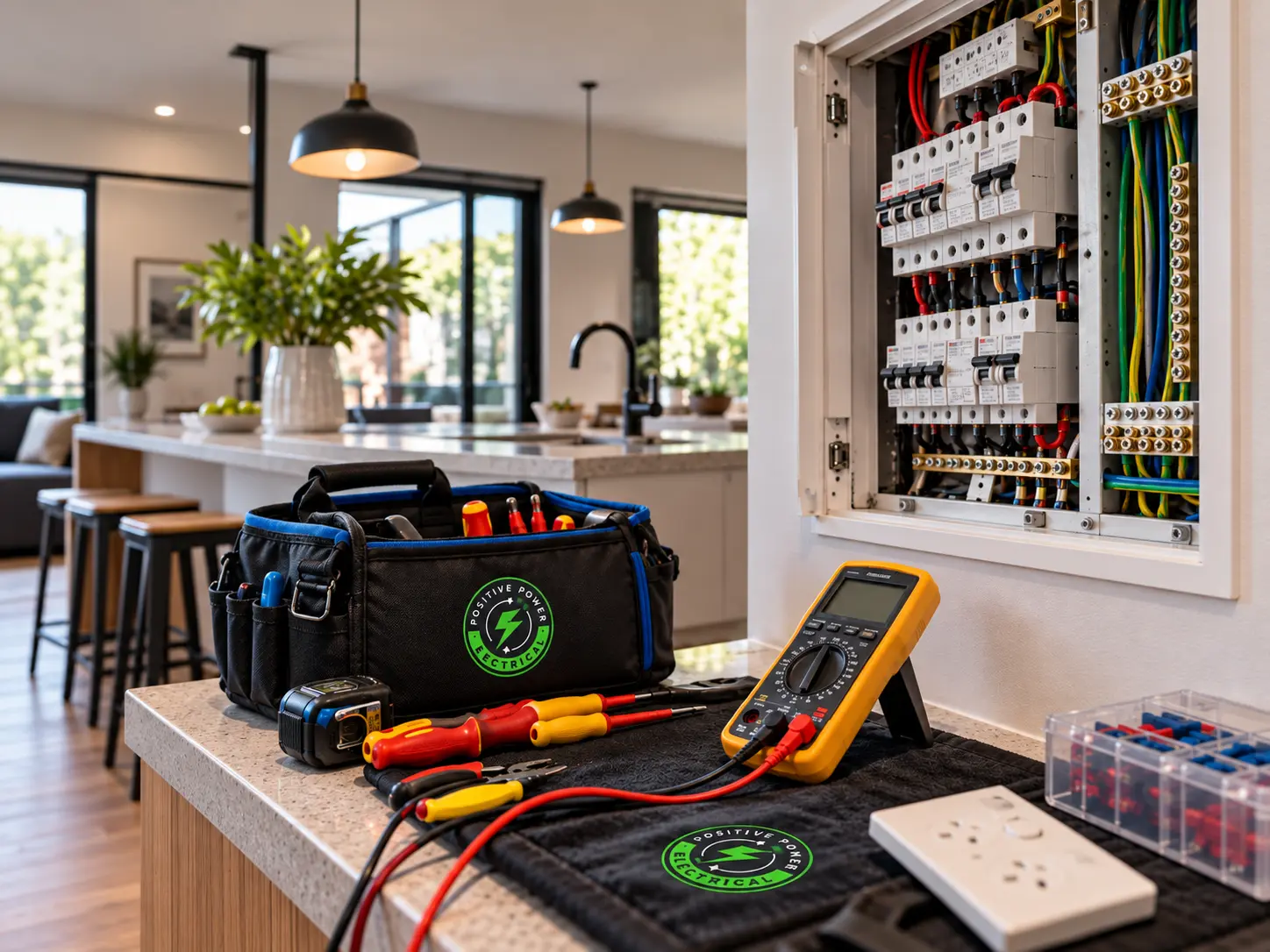
Electrical safety checks in Castle Hill are designed to assess the condition and operation of important parts of the home's electrical installation rather than simply confirm that the lights still turn on. A licensed electrician can look for issues involving wiring, outlets, switches, circuit protection and the switchboard. Minor visible wear may need straightforward attention, while heat, repeated circuit trips or damaged wiring can require more detailed investigation. NSW Government guidance states that electrical installation work must be completed by licensed electricians.
Small warning
A loose switch or ageing fitting may appear minor. It can still be worth checking before wear develops further.
Repeat pattern
Regular tripping, flickering or unreliable outlets suggest the issue is no longer isolated. The pattern can help guide fault finding.
Physical damage
Heat, sparks, burning smells or scorching are stronger warning signs. Keep clear of affected equipment and arrange licensed electrical assistance.
Signs Your Electrical System Needs Checking
Electrical systems do not always announce a developing problem with a complete power failure. Small changes can appear first, including intermittent trips, loose fittings or electrical equipment behaving differently from usual. One symptom does not automatically reveal the cause, but several repeated symptoms create a clearer reason for assessment.
Repeat Trips
Protection operating repeatedly can indicate a fault that still needs investigation.
Loose Outlets
Movement or damage around a power point should not become normal
Unusual Heat
Warm switches or outlets can indicate an electrical issue requiring attention.
Flickering Lights
Repeated flickering across several fittings can justify broader electrical investigation.
Larger Homes Mean More Electrical Areas
What Causes Electrical Safety Problems?
Electrical safety concerns can develop for different reasons, and the correct response depends on what is actually found. Ageing components, damaged fittings and altered household demand can produce very different issues. Assessing the condition first helps avoid replacing parts that are not responsible for the problem.
1
Wear
Fittings can loosen or deteriorate through regular use.
2
Equipment
Faulty appliances can affect connected circuits.
3
Connection
Poor connections can create unreliable electrical behaviour.
4
Wiring
Damaged insulation can expose serious electrical risks.
5
Heat
Electrical deterioration can lead to scorching or fire risk.
How Electrical Safety Checks in Castle Hill Work
Professional electrical safety checks in Castle Hill should move from observation to testing and then to any work actually required. A licensed electrician can assess visible components, circuit behaviour and relevant electrical protection before recommending repairs. The work should follow what the inspection identifies rather than assuming every home needs the same upgrade.
Step 01
Read the Property
The electrician starts with reported symptoms, property use and any electrical changes that have occurred. Repeated trips, damaged fittings or newly added electrical equipment can provide useful context.
What we look for
Key Fault Clues
- Circuit protection condition
- Wiring and fitting condition
- Heat or visible damage
Step 02
Test the System
Relevant circuits and electrical components can then be assessed more closely. Fault finding helps separate isolated equipment problems from broader wiring or switchboard issues.
Step 03
Repair and Verify
If electrical work is required, the appropriate repair or upgrade can be completed and tested. Current NSW requirements state that electrical wiring work must be undertaken by or under the supervision of a licensed electrician, with applicable work documented through the CCEW process.
- Issues identified
- Repairs completed
- System checked
Method matched to cause
Match the Work to the Finding
Positive Power Electrical can match the next step to what the electrical assessment actually identifies.
Fault finding
Safety checks- Rewiring
- Switchboard upgrades
What Changes the Check and Cost?
The condition of an electrical system cannot be judged from the size of the property alone. One home may only need several suspicious fittings assessed, while another may have repeated circuit problems or wiring concerns across several areas. Access, circuit quantity, wiring condition and the faults discovered during testing all affect the scope.
What You Can Safely Check Yourself
You can collect useful information without removing fittings, opening a switchboard or touching fixed wiring. Note recurring symptoms, look for visible external damage and record which circuits or rooms are affected. NSW Government guidance says DIY electrical wiring work is dangerous and illegal, including installing, replacing or moving power points, switches and other fixed electrical equipment.
Safe to try yourself
Note circuits that repeatedly trip
Look for external fitting damage
- Record unusual electrical behaviour
List recent electrical additions
Time to call a professional
Power points feel unusually warm
switchboard repeatedly trips circuits- Sparks or scorching are visible
Electrical Problems Are Easier Before They Escalate
An electrical system does not need to fail completely before it deserves attention. Recurring trips, loose fittings, unusual heat and deteriorated wiring can all provide earlier clues that something needs investigation. NSW Government guidance says electrical wiring, fittings, switchboards and earthing connections should be kept in good working order, and fixed electrical work must be handled by licensed electricians. Regular assessment becomes particularly useful when a property has changed through renovations, new equipment or increased electrical demand. Positive Power Electrical can assess these warning signs and determine whether the right next step is a targeted repair, fault finding, switchboard work or rewiring.
Remember this
An electrical system does not have to stop working before it has a problem. Finding the warning signs earlier gives you more information and fewer surprises
Electrical Safety Check FAQs
What does a check include?
The exact scope depends on the property and the concerns being investigated. It can include assessment of relevant outlets, switches, wiring, circuit protection and switchboard condition.
When should wiring be checked?
There is no single interval that suits every property. Recurring electrical symptoms, visible deterioration, renovations or uncertainty about existing wiring can all justify professional assessment.
Are warm outlets dangerous?
Unusual heat around an outlet or switch should not be ignored. Stop treating it as normal wear and arrange licensed electrical assessment.
Why do circuits keep tripping?
Repeated trips can involve equipment, wiring or another electrical fault on the circuit. Proper fault finding is needed to identify the cause rather than repeatedly resetting the protection.
What affects check cost?
Property size, number of circuits, accessibility, reported symptoms and any faults uncovered during assessment can all affect the scope. Accurate pricing depends on what actually needs to be investigated.
Is electrical DIY allowed?
Fixed electrical wiring work must be carried out by licensed electricians in NSW. Current NSW guidance specifically warns homeowners not to install, replace or move power points, lights, switches or other fixed wiring themselves.
Need Electrical Safety Checks in Castle Hill?
Positive Power Electrical provides electrical safety checks in Castle Hill, along with fault finding, switchboard upgrades and rewiring for residential electrical systems. If your property has recurring circuit trips, ageing fittings, electrical damage or you simply need a clearer picture of the system's condition, arrange an assessment with a licensed and insured Electrician.