Electrical Fault Finding in Cherrybrook: Find the Cause
A light flickers, the power drops out, or the same circuit trips again even though nothing obvious has changed. Electrical fault finding in Cherrybrookis about tracing those symptoms back to their actual source before switches, wiring or appliances are replaced unnecessarily. The problem you can see is not always where the fault begins.
- Repeat tripping The same circuit operating again can point to an unresolved fault.
- Shared flickering Several lights changing together can reveal a circuit pattern.
- Intermittent power Electrical problems that disappear and return still deserve investigation.
- Warm fittings Unusual heat around switches or outlets needs professional assessment.
- Burning smells Electrical odours or scorching require prompt attention.
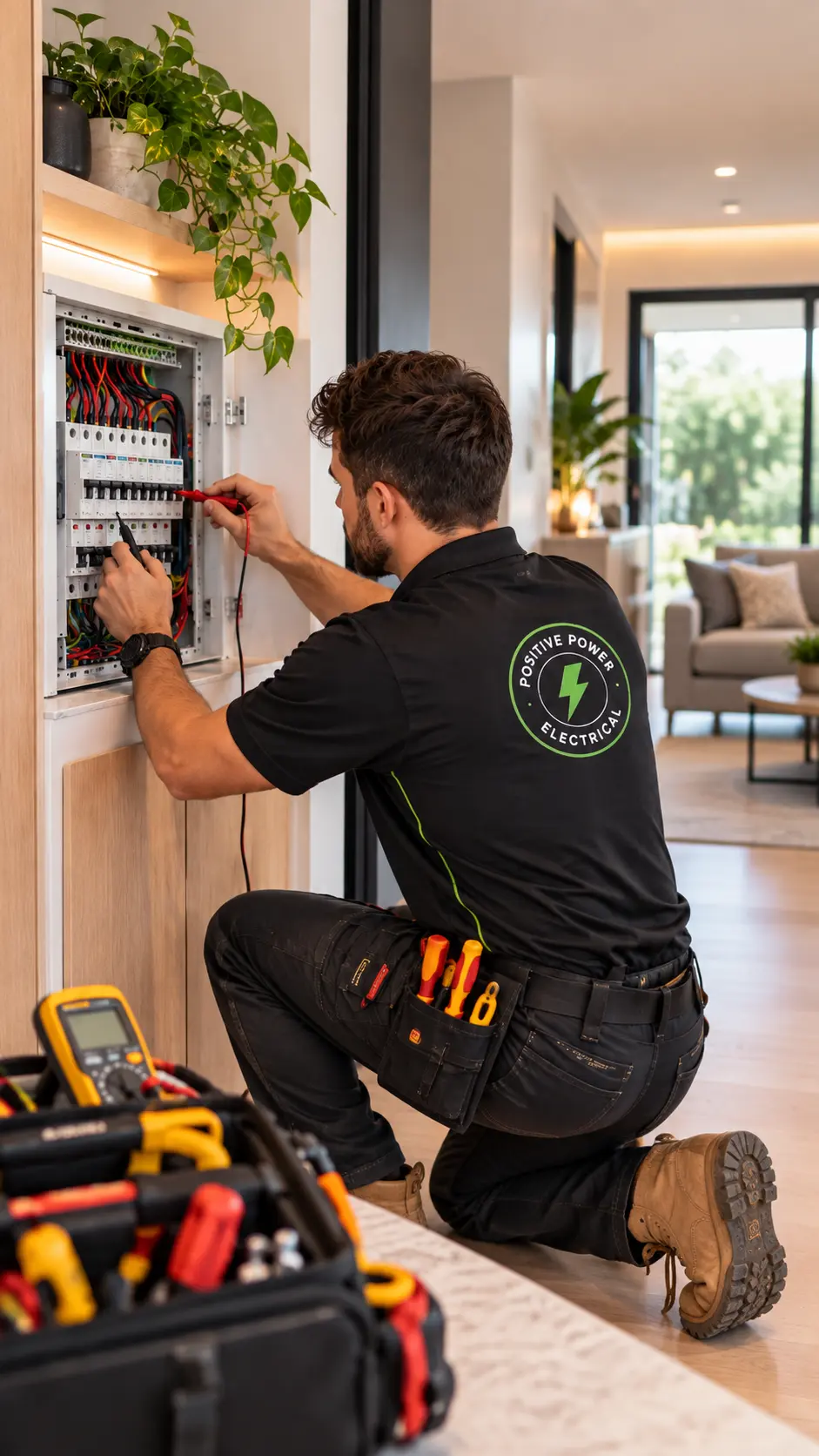
Find the Fault Before Choosing the Repair
Good electrical fault finding in Cherrybrook starts with the pattern. Which circuit loses power? What was operating immediately beforehand? Does the problem happen every time, only occasionally, or after another appliance starts? Those details help narrow whether the issue sits with equipment, wiring, a connection, circuit protection or another part of the electrical system.NSW Government guidance says suspected electrical installation problems should be handled by a licensed electrician, and electrical wiring work must legally be completed by a licensed electrician.
One-off issue
One light flickering once or a breaker operating once gives limited information by itself. Make a note if the same behaviour returns.
Repeat pattern
The same room, appliance or circuit appearing in several incidents provides a much stronger clue about where investigation should focus.
Physical warning
Heat, a burning smell, scorching, sparks or electric tingles should not be treated as ordinary nuisance faults. Keep clear and arrange professional assistance.
Signs You Need Electrical Fault Finding
Electrical faults are often intermittent. Everything may work normally when an electrician arrives, then fail again later that evening. That is why observing the pattern can be just as useful as describing the symptom. Recurring behaviour across several fittings or one specific circuit provides far more information than randomly replacing components.
Repeat Circuit Trips
A breaker or safety switch that repeatedly operates is responding to something. Continually resetting it does not identify the cause.
Several Lights Flicker
One faulty globe may be local. Several lights behaving unusually together can justify investigation further back through the circuit.
Power Comes and Goes
An intermittent problem is still a problem. Connections, equipment or wiring can behave differently under changing electrical loads.
Fittings Feel Warm
Unusual heat, discolouration or a burning smell around electrical equipment requires licensed assessment rather than DIY inspection.
Local note
Cherrybrook households also averaged two registered motor vehicles per dwelling in the 2021 Census, with 46.2% reporting two vehicles and 19.7% reporting three or more. As homes add equipment such as EV chargers, upgraded kitchens, home offices and additional electrical circuits, recording when a fault began can help establish whether it appeared before or after another electrical change.
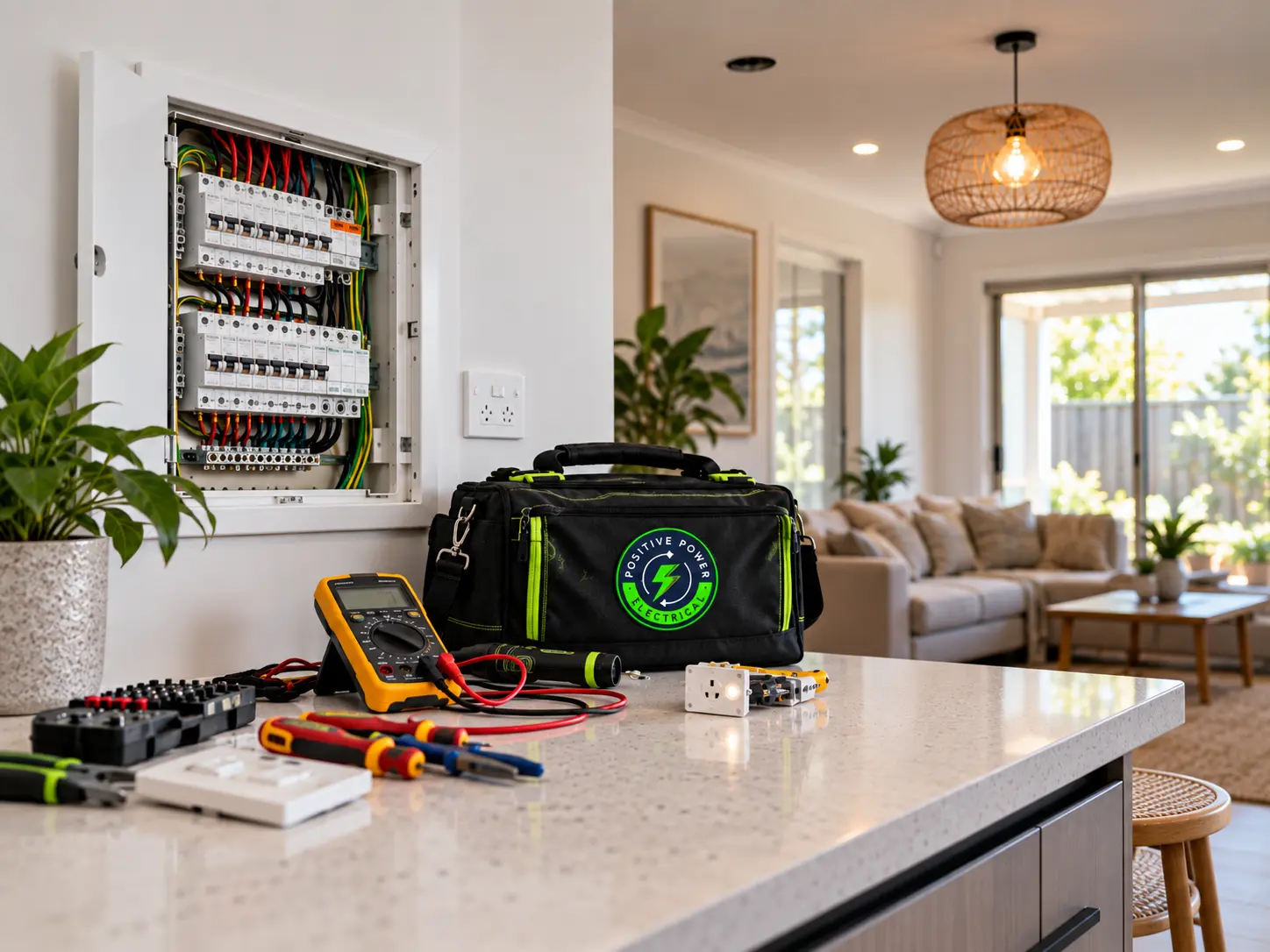
What Can Cause Electrical Faults?
The same symptom can have several different causes. A circuit that trips might involve an appliance, damaged wiring or another electrical issue, while flickering lights can originate somewhere completely different. Fault finding matters because repairing the visible symptom without identifying the source can leave the original problem untouched.
1
Equipment
A faulty appliance can affect the circuit supplying it.
2
Connections
Deteriorated connections can create intermittent electrical behaviour.
3
Wiring
Damaged insulation can produce recurring electrical faults.
4
Moisture
Water around electrical equipment can contribute to leakage faults.
5
Switchboard
Circuit protection or board issues can affect electrical operation.
How Electrical Fault Finding in Cherrybrook Works
Professional fault finding is a process of narrowing possibilities rather than guessing which component should be replaced. A licensed electrician can use the symptoms, circuit behaviour and electrical testing to work progressively toward the source of the problem.
Step 01
Rebuild What Happened
Start with the sequence. What stopped working, what was switched on, which room was affected and whether the same thing has happened before can all help establish a repeatable pattern.
What we look for
What we look for
- Circuits affected each time
- Equipment operating beforehand
- Heat, damage or unusual behaviour
Step 02
Narrow the Electrical Problem
The affected part of the system can then be investigated more closely. The objective is to separate a local equipment issue from faults involving fixed wiring, circuit protection or another electrical component.
Step 03
Repair and Retest
Once the cause is identified, the appropriate repair can be completed and the affected electrical installation checked again. NSW requires electrical wiring work to be undertaken by licensed electricians and applicable work to be tested and documented through the Certificate of Compliance for Electrical Work process.
- Fault traced
- Repair completed
- System checked
Method matched to cause
Match the Work to the Cause
Positive Power Electrical can match the next step to what the investigation actually finds.
- Fault finding
Safety checks- Rewiring
- Switchboard upgrades
What Changes Fault Finding Scope and Cost?
Fault finding is difficult to price purely from a symptom because two homes reporting "the breaker keeps tripping" may have completely different causes. One fault might be traced quickly to specific equipment, while another may appear intermittently across concealed wiring and require more investigation.
Access, the number of circuits affected, how consistently the fault can be reproduced and what repair is ultimately required can all influence the scope.
What You Can Check Before the Electrician Arrives
Useful fault information does not require opening electrical equipment. NSW Government guidance says electrical wiring work must be carried out by licensed electricians and recommends contacting a licensed electrician when an electrical installation problem is suspected.
Safe to try yourself
- Note exactly which rooms lose power
- Record which circuit protection operates
- Write down what was running beforehand
- Photograph visible external damage safely
Time to call a professional
- Removing power points or switches
- Opening the switchboard enclosure
- Repairing or altering fixed wiring
- Investigating burnt electrical components
Stop Guessing Which Electrical Part Failed
Electrical faults can be frustrating precisely because the symptom is often inconsistent. A light may work perfectly during the day and flicker later. A circuit may reset successfully several times before tripping again. That does not make the problem imaginary or automatically tell you which component needs replacing.
NSW Government guidance stresses the importance of maintaining wiring, fittings, switchboards and earthing connections in good condition and says suspected electrical installation problems should be referred to a licensed electrician.
Effective fault finding works in the opposite direction to guesswork. Start with the symptom, establish the pattern, test the electrical system and then repair what the evidence actually identifies.
Remember this
The part that stops working is not always the part that caused the problem.
Electrical Fault Finding FAQs
Why does my breaker trip?
A breaker can operate for several reasons, and the symptom alone does not identify which one applies. If the same circuit repeatedly trips, professional electrical fault finding can help determine the cause.
Why do several lights flicker?
Several lights behaving unusually together can indicate that the issue is not limited to one globe or fitting. The affected circuit and connections may need assessment.
Can intermittent faults be found?
Yes, although faults that appear unpredictably can require more investigation. Recording when the problem occurs and what was operating beforehand can provide valuable clues.
Is a warm outlet dangerous?
An outlet or switch that becomes unusually warm deserves professional attention, particularly if it is accompanied by discolouration, burning smells or other electrical symptoms.
What affects fault finding cost?
Time required to locate the problem, number of circuits involved, access, whether the fault is intermittent and the repair ultimately needed can all influence the scope.
Can I troubleshoot wiring myself?
Do not open or alter fixed wiring, switches, power points or switchboards unless appropriately licensed. NSW law requires electrical wiring work to be carried out by licensed electricians.
Need Electrical Fault Finding in Cherrybrook?
Positive Power Electrical provides electrical fault finding in Cherrybrook for recurring circuit trips, unusual lighting behaviour, intermittent power problems and other electrical concerns. If the same electrical issue keeps coming back, have a licensed and insured Electrician trace the cause before spending money replacing parts that may not be responsible.